
HDPE Pressure Hydro Testing
- Home
- »
- HDPE Pressure Hydro Testing
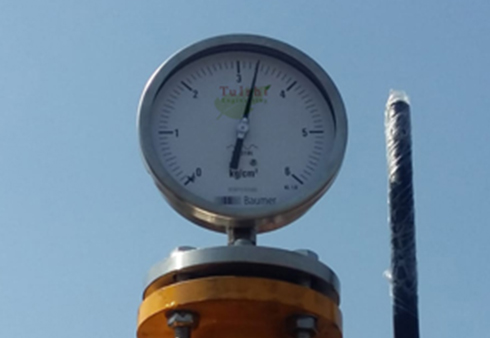

HDPE Pressure Hydro Testing
HDPE Pressure Hydro Testing is a non-destructive method used to assess the integrity of HDPE pipes by pressurizing them with water. This test ensures that the pipes can withstand operational pressures without leaks or failure. It is essential for verifying pipeline safety and reliability in water, gas, and industrial applications.
- Leak-Free Assurance: Detects leaks early.
- Pipe Safety: Verifies pressure tolerance.
- No Damage: Non-destructive testing method.
- Standards Compliance: Meets industry regulations.
- Cost Savings: Avoids costly repairs.
HDPE Pressure Hydro Testing is a crucial process used to ensure the integrity and safety of HDPE (High-Density Polyethylene) pipelines. This non-destructive testing method involves filling the pipes with water and applying pressure to simulate operational conditions. The test helps identify any potential weaknesses, leaks, or defects in the pipeline before it is put into service. HDPE is commonly used for water, gas, and industrial fluid transport due to its durability, resistance to corrosion, and flexibility. Hydro testing ensures that these systems can safely handle the pressures they will experience in real-world applications.
Leak Detection: Identifies potential leaks or weaknesses in the pipeline, ensuring a secure, leak-free system.
Non-Destructive: The testing method does not damage the pipes, preserving their quality and performance.
Safety Assurance: Verifies that HDPE pipes can withstand operational pressure, reducing the risk of system failure or accidents.
Compliance with Standards: Meets industry safety and regulatory standards, ensuring the pipeline is fit for use.
Cost-Effective: Helps avoid costly repairs or replacements by ensuring the integrity of the pipes before installation.